
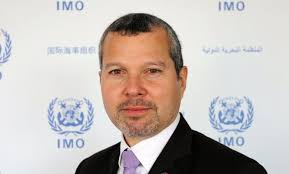

Last week’s meeting at the International Maritime Organisation(IMO) , by the Inter-sessional Working Group (ISWG-GHG) , failed to reach a consensus required to reduce the cost gap between fossil and low carbon fuels.
Carbon charging is a critical element to that strategy as outlined by the International Chamber of Shipping (ICS) with secretary general Guy Platten emphasising “The need for urgent progress ahead of the critical IMO MEPC 83.”
Key purpose of the fund is to reduce the cost gap of zero and near zero fuels and conventional marine fuels they will replace, incentivising the uptake of green fuels,” said Platten.
According to Platten carbon charging is crucial to “kick-starting the [IMO’s] green strategy”.
IMO, in the meantime, presented a more upbeat view on the last week’s meeting reporting that countries had “expressed a willingness to continue exploring common ground in negotiations”.
Adding that ISWG-GHG would keep all proposals under consideration while also acknowledging that some states had proposed “bridging options”, without outlining what these might be.
“Efforts will continue toward defining amendments to MARPOL Annex VI that could achieve consensus approval at the next session of the MEPC 83 on 7-11 April 2025.”
Finding that consensus may be elusive with the gap between more than 50 nations supporting the proposals by ICS to calculate maritime emissions from well-to-wake, while China and others believe that such a measurement would mean that shipping was paying for upstream emissions, which would be double counted if energy companies are also paying carbon charges.
Nevertheless, Platten added: “While ICS is broadly satisfied with the progress made on a radical new package of global GHG reduction regulations, including a GHG emissions pricing mechanism, much work urgently remains to be done.”
ICS believes about three quarters of IMO member states now support its proposals for a levy, which it says is universally accepted as the best way forward, however, it concedes: “concerns raised by a significant minority, including China and Brazil, must be addressed in a simple and pragmatic way to build complete consensus.”
The IMO’s 83rd Marine Environment Protection Committee (MEPC 83) is due to take place in the second week of April and it is meant to establish an agreed method for carbon charging before MEPC 84, from October 13-17, where final details are concluded. Meeting this timetable is now very tight with MEPC just six weeks away.
The IMO pointed out that the GHG reduction strategy, agreed in 2023, committed the nation states to agreeing and adopting mid-term measures by the end of this year, effectively at October’s MEPC 84.